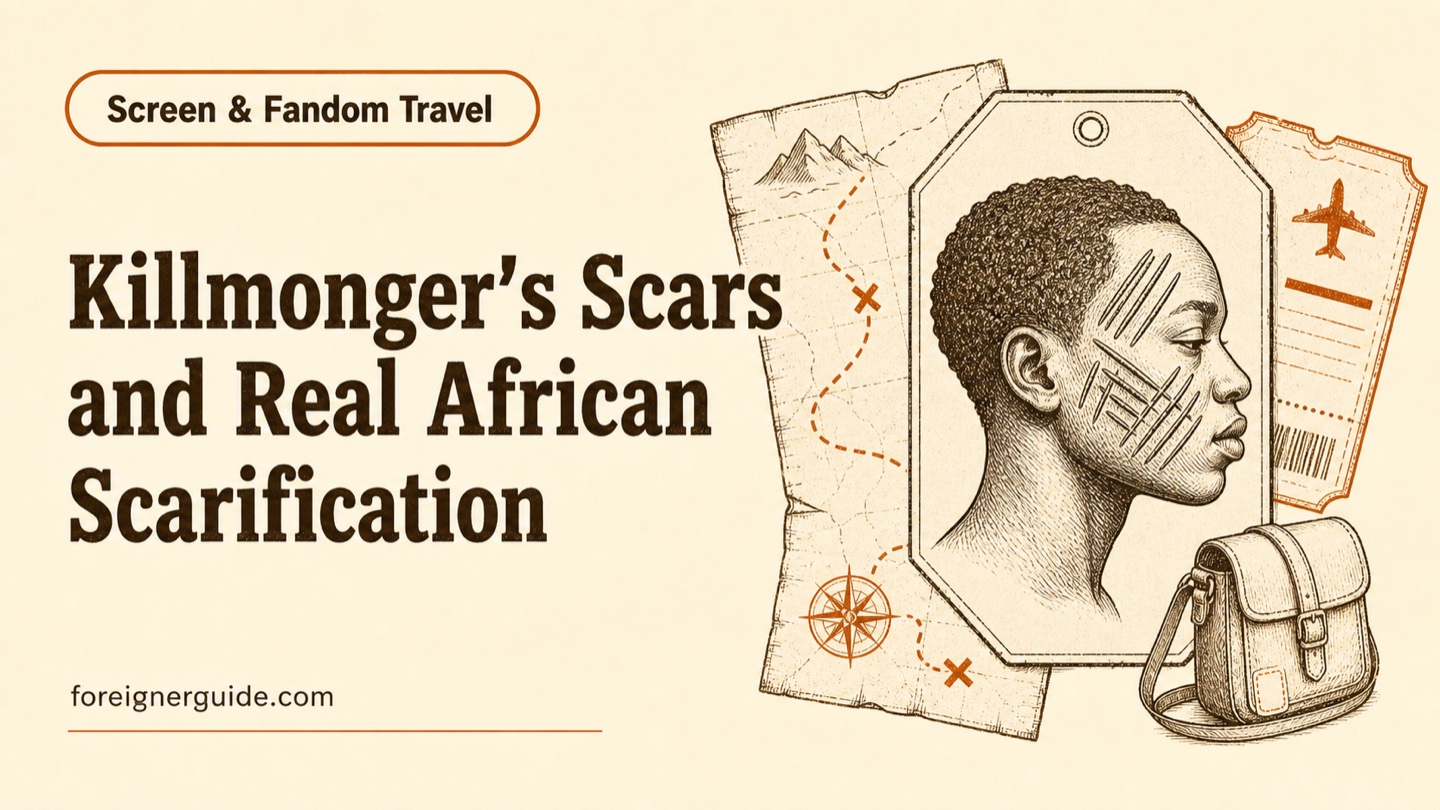
Killmonger's Scars and Real African Scarification
Killmonger's scars in Black Panther drew on real African scarification, notably Ethiopia's Suri people, and the marks mean far more than a kill count.
Table of contents
Yes. The raised marks covering Erik Killmonger's chest in Marvel's Black Panther (2018) were modeled on real African scarification, the practice of cutting or branding the skin and controlling how it heals into permanent patterns. The film's costume and makeup team have said they studied real body-marking traditions, and reporting on the production points to the Suri people of Ethiopia's Omo Valley as a key reference. This piece looks at where those traditions come from and what the marks actually mean, not the film's plot or how the makeup was built.
Are Killmonger's scars based on a real tradition?
They are. In Black Panther, directed by Ryan Coogler, Erik Killmonger (played by Michael B. Jordan) tells other characters that every raised mark on his body stands for someone he has killed. That "one scar per kill" idea is the movie's own storytelling, but the visual came from real practice. The film's makeup artists have said in interviews that they built the pattern from dozens of silicone molds stamped with rows of small marks, and that applying it to Jordan took around three and a half hours before each shoot. Costume designer Ruth E. Carter, who won an Academy Award for her work on the film, has described grounding Wakanda's look in real African cultures rather than inventing it from scratch.
What the marks really mean across Africa
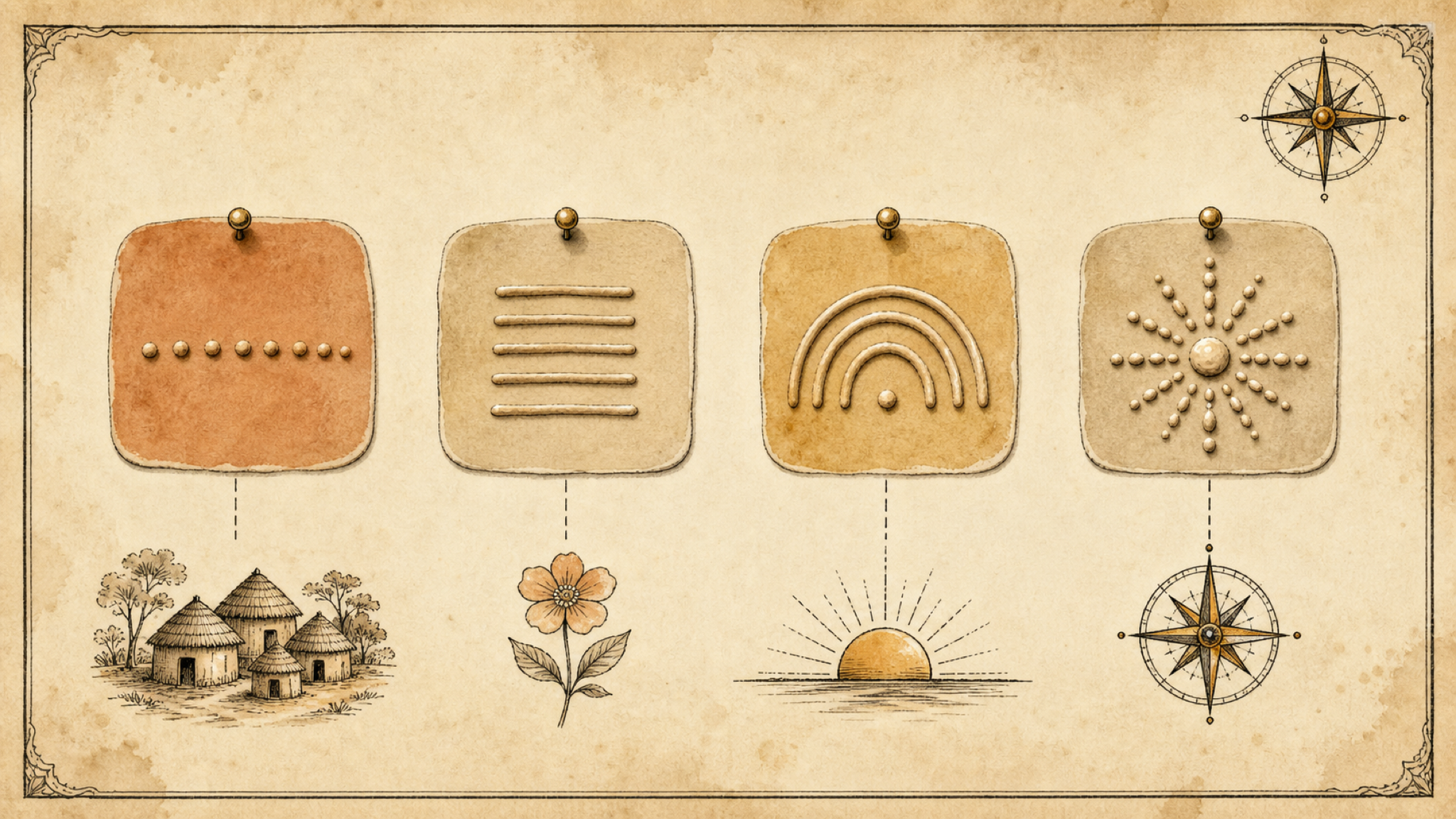
In real communities, a scar almost never carries a single meaning, and it usually has nothing to do with counting kills. Scarification turns up among many groups, and what it says depends on who wears it. According to the Pitt Rivers Museum at the University of Oxford, the Dinka and Nuba use marks to show clan membership and stages of life, the Mursi of Ethiopia scar mainly for beauty, and Suri men may take marks to record that they have killed in a conflict, the reading closest to Killmonger's. In Nigeria, Yoruba facial marks called ila traditionally signaled a person's lineage or home town, working almost like an address you carry on your face.
The technique shapes the result. A shallow cut heals into a flat line, while packing a wound so it heals raised produces the bumps, called keloids, that stand out clearly on darker skin where ink tattoos would barely register.
Where to see these traditions, and how to visit well
Most of the groups tied to Killmonger's look live in the Omo Valley in southwestern Ethiopia, near the border with South Sudan. Small-group tours run through the region, and the same pull that sends fans chasing the real Korean places behind a hit animated film also brings travelers here to see body art they first met on screen.
If you go, treat it as visiting people's homes rather than an open-air exhibit. Ask before taking photos, and expect that in the Omo Valley people often want a small payment per picture. Book through community-based or well-reviewed local guides so the money actually reaches the families involved, and drop any urge to present anyone as "exotic" or frozen in time. These are working communities that change with the years like anywhere else, and the scars you see carry meanings their wearers understand far better than any film can put across.