How to Avoid Pickpockets in Vietnam: Hotspots and Simple Habits
Petty theft, not violence, is the main risk in Vietnam. Where pickpockets and motorbike bag-snatchers work, and the small habits that stop them.
Table of contents
The short version
For most visitors, the biggest daily threat to your wallet in Vietnam is petty theft, not violence. As of July 2026, two kinds catch travelers most often: pickpocketing in tight crowds, and drive-by bag snatching, where two riders on one motorbike pull alongside you and grab a phone, camera, or bag strap in about a second. The UK Foreign, Commonwealth & Development Office (FCDO) says bag-snatchers work crowded areas and places visited by tourists, and advises carrying bags in front of you or on the side away from traffic. Do three things and you prevent most of it: keep your phone back from the curb, wear a bag across your chest, and leave your passport in the hotel.
This guide covers everyday petty theft for travelers and newcomers in Vietnam's cities and tourist towns. It is general safety information, not legal advice, and it does not deal with violent crime or border regions. You can read the full country guidance from the UK FCDO Vietnam travel advice and the US State Department Vietnam advisory.
What kind of theft actually happens in Vietnam?
Mostly the opportunistic kind, not muggings. The US State Department has not added a crime indicator to its Vietnam travel advisory, but its guidance notes petty crime occurs regularly in crowded and tourist areas. In practice that splits into two moves. A pickpocket lifts a wallet or phone from a pocket or an open bag in a crush of people, and you often feel nothing. A snatcher works from a motorbike: because scooters flow everywhere and pavements sit right next to traffic, a rider can slow down, reach across, and take a phone out of your hand or a bag off your shoulder while you are still looking at a map.
That second tactic is the one people underestimate. It is quick, it targets whatever is loose and visible, and the thief is gone into traffic before you react. Knowing the pattern is half the defense, because it tells you exactly what not to leave exposed near the road.
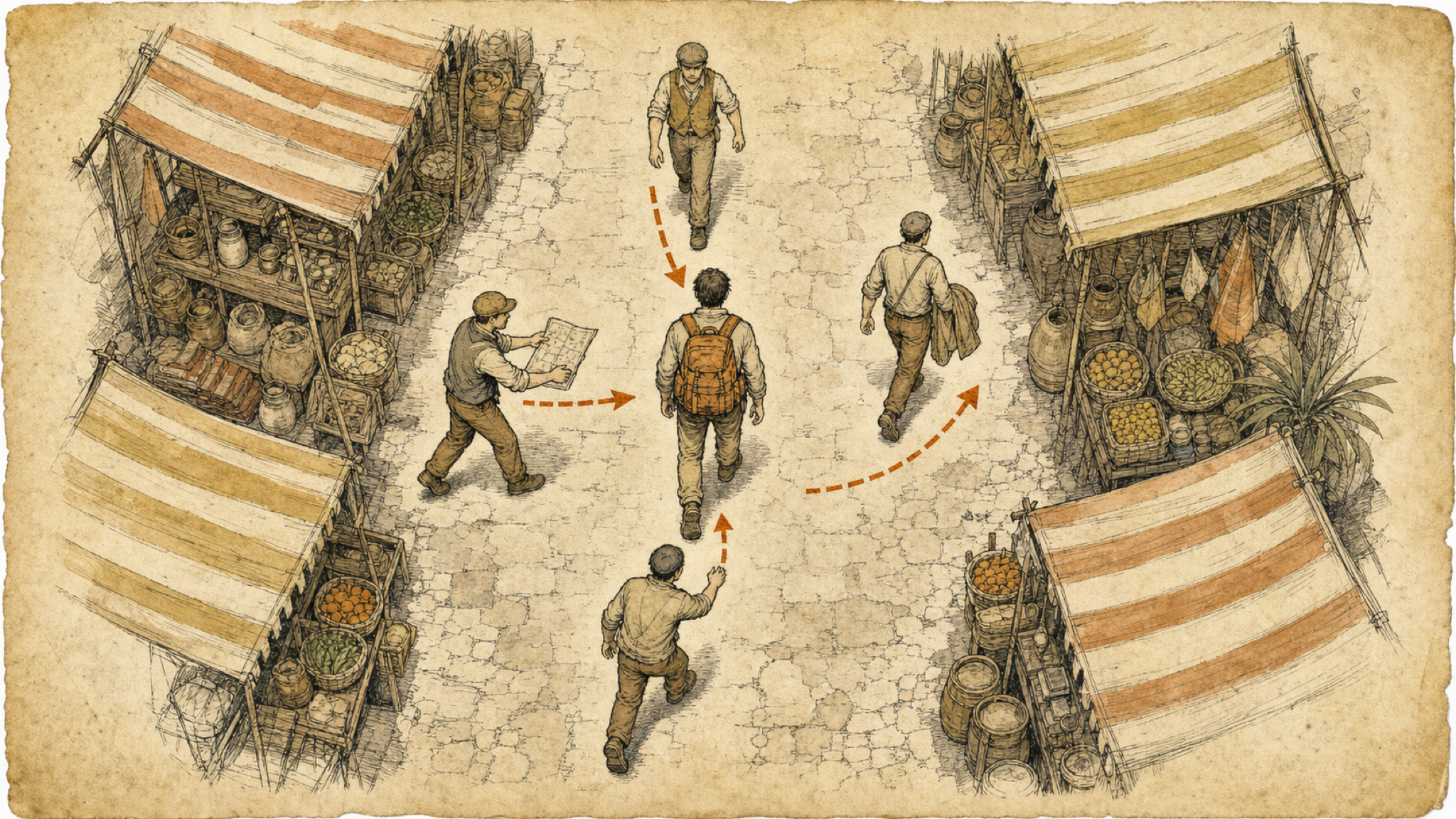
The pickpocketing side has its own pattern worth knowing: in tourist areas it is often a small team rather than a lone actor. Travel security guides for Vietnam, including the OSAC country security report on Vietnam, describe crews working with assigned roles: one person blocks your path or squeezes against you in a crowd, another creates a distraction by asking a question, spilling something, or thrusting a map or menu at you, a third lifts the wallet or phone, and a fourth immediately takes the item and hides it under a jacket or newspaper before walking away. By the time you feel for your wallet, the person who bumped you has nothing on them.
Where are pickpockets most common?
Wherever crowds and cash meet. In Ho Chi Minh City (formerly Saigon), the tourist core of District 1 concentrates the risk: the Bui Vien backpacker strip, the Nguyen Hue and Dong Khoi walking areas, Ben Thanh Market, and the riverfront promenade. In Hanoi it is the Old Quarter and the streets around Hoan Kiem Lake; in Nha Trang, the seafront road. These are simply the places where foot traffic and open wallets overlap, not no-go zones.
Timing matters too. The FCDO reports that petty theft and pickpocketing tend to increase around Christmas and Lunar New Year. Lunar New Year, called Tet, is Vietnam's largest holiday, when streets, markets, and transport hubs get far busier than usual. If you are traveling then, tighten your habits in crowds rather than avoiding the celebrations, which are one of the best times to be in the country.
Daily habits that lower your risk
None of this needs special gear. It is a handful of small choices you repeat until they are automatic.
- Wear a crossbody bag in front of your body, and on the pavement keep it on the side away from the road so a passing motorbike cannot reach it.
- Keep your phone back from the curb. Step away from the traffic edge before you check maps, message, or take a photo, and do not walk along the road with it held out.
- Split your money. Carry a single day's cash and one card in a front pocket or hidden pouch, and leave the rest, plus your passport, in the hotel safe. The FCDO advises keeping your passport and valuables secured in your accommodation and carrying photo and digital copies instead. It is one of the same document habits worth sorting out early when you plan a trip abroad.
- Move a backpack to your front in markets, at bus stops, and on packed pavements, and zip it closed.
- If strangers suddenly crowd, bump, or distract you in a busy market or nightlife street, treat the interruption itself as the signal — step back, put a hand on your valuables, and keep moving.
- Pick a shoulder bag with a zip and a strap long enough to wear across your body instead of an open tote. The harder your bag is to open or lift, the less interesting you are.
Staying safe with your phone, Grab, and taxis
Booking a ride means standing on the sidewalk with your phone out, which is exactly the moment a snatcher watches for. Move back from the traffic, book, then put the phone away before you look up for the car. Grab is the main ride-hailing app across Vietnam's cities, and it fixes several problems at once: the fare is set in the app, the route is tracked, and you are not negotiating a price on the street with your wallet visible. For metered taxis, Mai Linh and Vinasun are two of the larger, well-marked companies that travelers commonly use. Confirm the car and plate against the app before you get in, and keep your bag on your lap rather than on the seat by an open window.
What to do if someone grabs your bag
Let it go. If a rider snatches your bag while you are walking or crossing the road, release it rather than getting pulled off your feet or into traffic. A phone is replaceable and you are not. Once you are safe, work through the recovery steps in order. Report the theft to the local police so you have a record for any insurance or embassy claim. Freeze or cancel the affected bank cards through your bank's app or hotline. Use your device's built-in tracking, such as Find My iPhone or Google's Find My Device, to lock and erase the handset. If your SIM is gone, contact your carrier to block it and reissue the number. Because you left your passport in the hotel and kept a copy, that part of your trip keeps running while you sort out the rest.
Handled this way, petty theft in Vietnam stays what it is for most people: a low, manageable risk that a few steady habits keep at arm's length, not a reason to stay home.